Table of Contents
Hard Water Hair Treatment Guide for Extensions
Hard water can make your hair extensions dry, frizzy, and discolored, turning gorgeous locks into dull straw-like strands. That's because hard water contains minerals such as calcium, magnesium, iron, and copper that can build up on hair fibers, block moisture absorption, and leave your extensions with brassy or greenish tones.
At-home hard water hair care includes shower filters, clarifying shampoos, and deep conditioning masks. Professional hard water hair treatment often involves heavier chelating to remove minerals, potential toning to neutralize remaining tones, and deep conditioning to close the cuticle and protect hair extensions from damaging factors.
Keep your hair extensions soft, silky, and vibrant with our hard water hair treatment guide.
Hard Water Hair Care for Extensions: Step by Step
- Use a shower filter: Shower filters help prevent hard water damage at the source, before it reaches your hair. Choose one that specifically filters iron and copper and be sure to replace filters as directed.
- Moisturize and brush before washing: Apply a generous amount of a hydrating cream or mask to your extensions, then gently brush from the ends up until they're tangle-free. Do not apply products directly to the attachment point. Coating the ends will still allow runoff shampoo to gently clean the extensions while minimizing mineral absorption.
- Wash and condition: Use a sulfate-free moisturizing shampoo to wash extensions 1–3 times per week, depending on your lifestyle. Follow with a moisturizing conditioner, then rinse thoroughly with lukewarm water to remove all product and mineral residue.
- Clarify and mask: Approximately twice per month, replace your regular shampoo with a clarifying shampoo to remove minor hard water buildup. Follow with a deep conditioning mask in place of your normal moisturizing conditioner.
- See your stylist: Consult your stylist if your extensions remain discolored or continue to tangle and feel dry. A BELLAMI-certified hair extension stylist can diagnose, treat, and prevent hard water damage. Find a stylist.
Helpful Tips
Apply extension-safe hair oil or leave-in conditioner between washings: retain moisture for softer hair, fewer tangles, and reduced breakage.
Protect the attachment point: only use shampoo near the attachment point, as other products could loosen attachments. Buildup typically occurs at the ends, away from the attachment point.
Use safe heat settings on blow dryers and styling tools: heat lifts the cuticle, allowing minerals to permeate the hair, and accelerates iron and copper oxidation that intensifies discoloration.
Clarify and condition as needed: you might need to use clarifying shampoo and deep conditioning mask more frequently if you have an exceptionally high water hardness level.
Your exact prevention routine should be determined by a pro stylist. Due to the complex nature of hard water and color correction, we do not recommend at-home corrections. In some cases, extensions require removal for more extensive treatment.
Pro Stylists: Learn how to detox, tone, and protect hair extensions from hard water damage with the BELLAMI Academy.
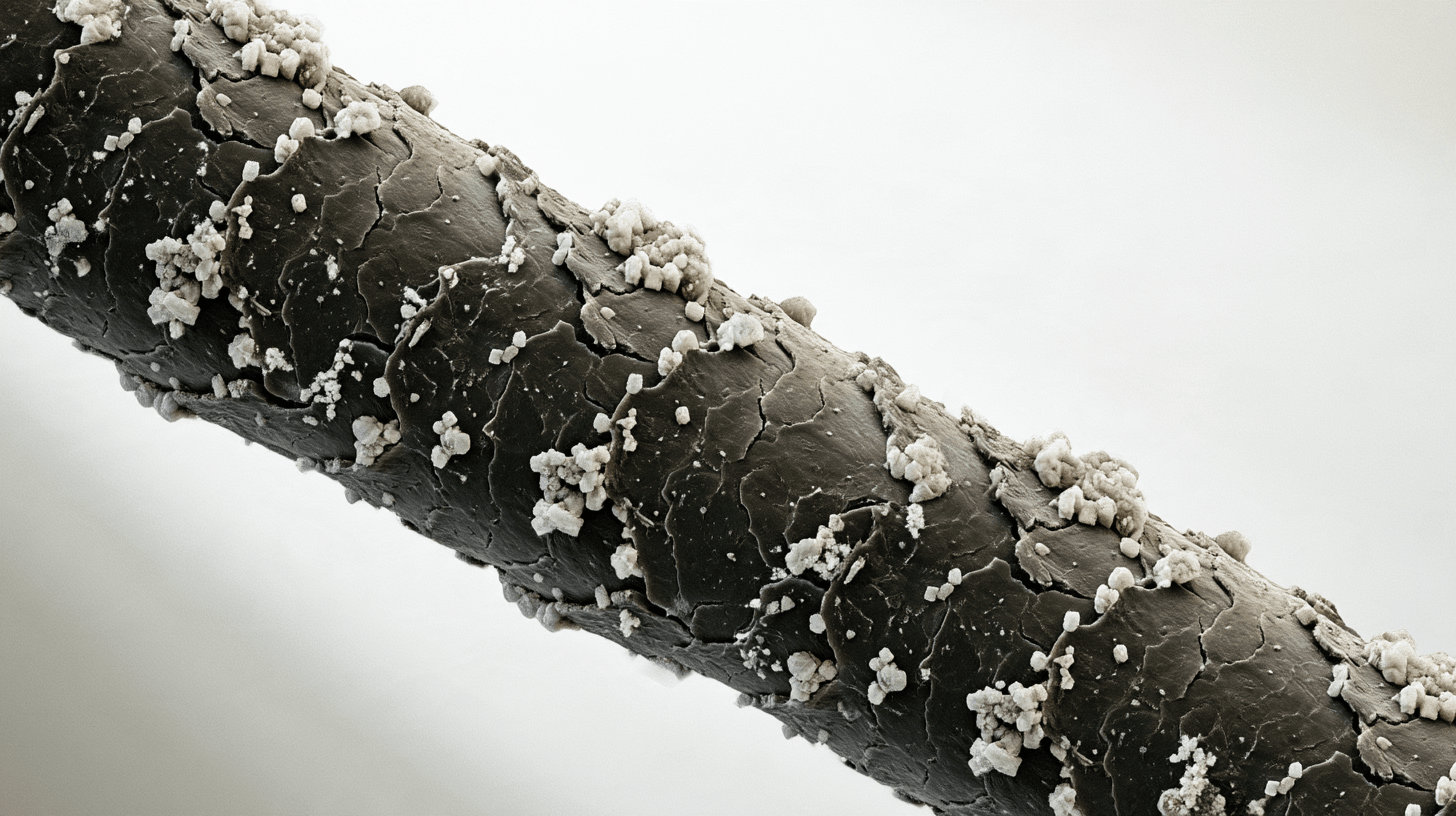 Mineral build-up on hair cuticle
Understanding Hard Water and Hair Extensions
How Hard Water Damages Hair Extensions
Around 85% of the U.S. has hard water, which is water with a high volume of dissolved minerals and metals, including calcium, magnesium, iron, and copper. Those minerals and metals can damage hair extensions.
Your natural hair has built-in resistance from sebum, an oil in pores and hair follicles that moisturizes your scalp, skin, and hair. Sebum coats every hair fiber in a protective layer and is constantly replenished, preventing hard water hair damage.
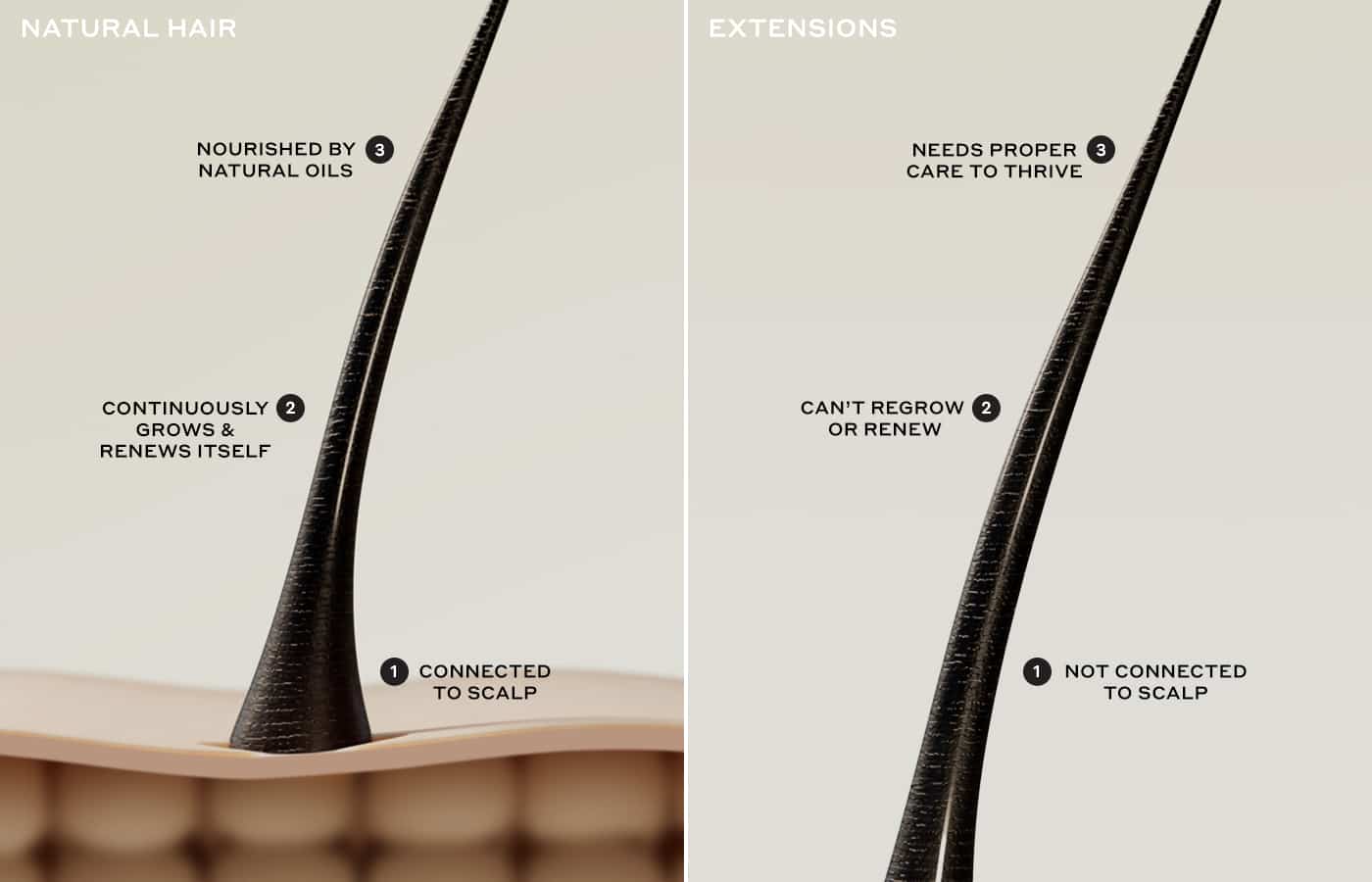
Hair extensions are conditioned and still retain natural oils, but the conditioner and legacy oils wear off after a few washes — and the oil is not replenished like it is for natural hair. That makes hair extensions much more susceptible to oxidation from external aggressors such as iron in hard water.
Without the natural layer of oil, hard water minerals can build up on hair extensions and block hydration, causing them to:
- Lose depth, shine, and vibrance
- Look flat, dull, and faded
- Feel rough, frizzy, and straw-like
- Tangle and break
- Discolor with brassy, yellow, orange, or green tones
- Become brittle, gummy, or stiff and difficult to manage
Imagine two sponges dipped in a bowl of blue water. One sponge is wet, representing natural hair with sebum. The other is dry, representing extension hair without natural oil. The blue water represents the minerals in hard water.
When dipped into the water, the dry “extension” sponge will soak up blue water much faster than the wet “natural hair” sponge. It will also be more difficult to clean the blue out of the dry “extension” sponge. This demonstration illustrates how the lack of sebum makes extensions more susceptible to hard water damage.
What Hard Water Does to Hair Extensions
Hard water effects on hair depend on multiple factors, including:
Hardness level of the water: The types and concentrations of minerals and metals in the water determine how it will affect your extensionsHair extension tone: Light and medium tones are more susceptible to hard water damage and discoloration due to extensive processing that makes them more absorbent — but hard water can damage darker tones, too
Extension length: Extensions longer than 20 inches are more prone to hard water damage. Long hair takes a long time to grow, and therefore has more exposure to the elements
Excessive heat or UV exposure: Heat and UV accelerate iron and copper oxidation, intensifying discoloration
Sunscreen use: Many sunscreens contain avobenzone and octocrylene, which can react with metal buildup to produce pink, peach, and orange casts.
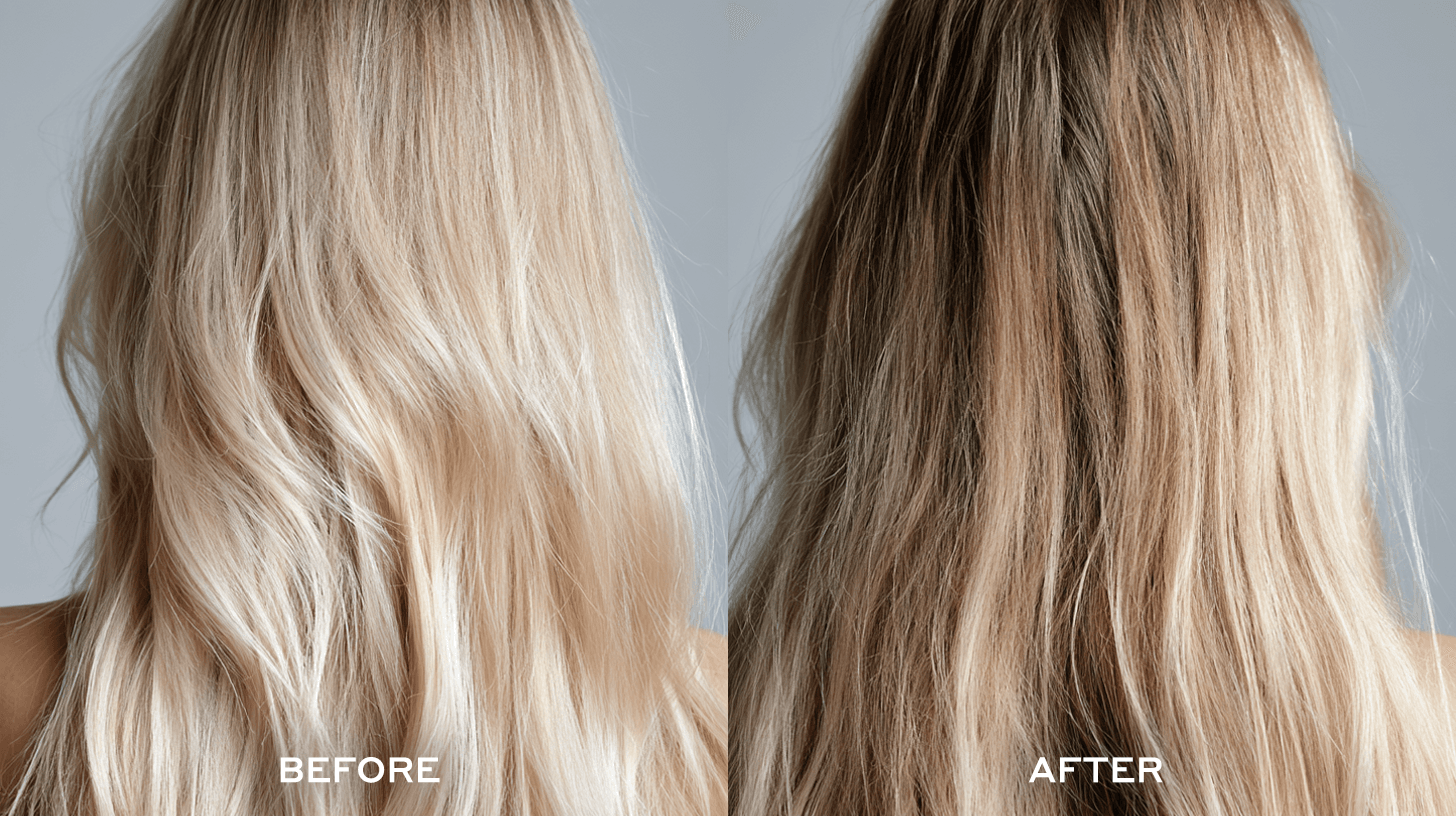
How Common Hard Water Minerals and Metals Affect Hair Extensions
Hard water is bad for your hair — and hair extensions — because of the minerals and metals it contains.
Calcium and magnesium: Build up on hair extensions, making them dry, frizzy, brittle, and prone to breakageIron: Brassy, orange-ish discoloration
Copper: Green, ashy discoloration
Did You Know? A BELLAMI-certified professional stylist can help you diagnose, treat, and prevent hard water damage. Find a stylist.
Best Hair Extensions for Hard Water
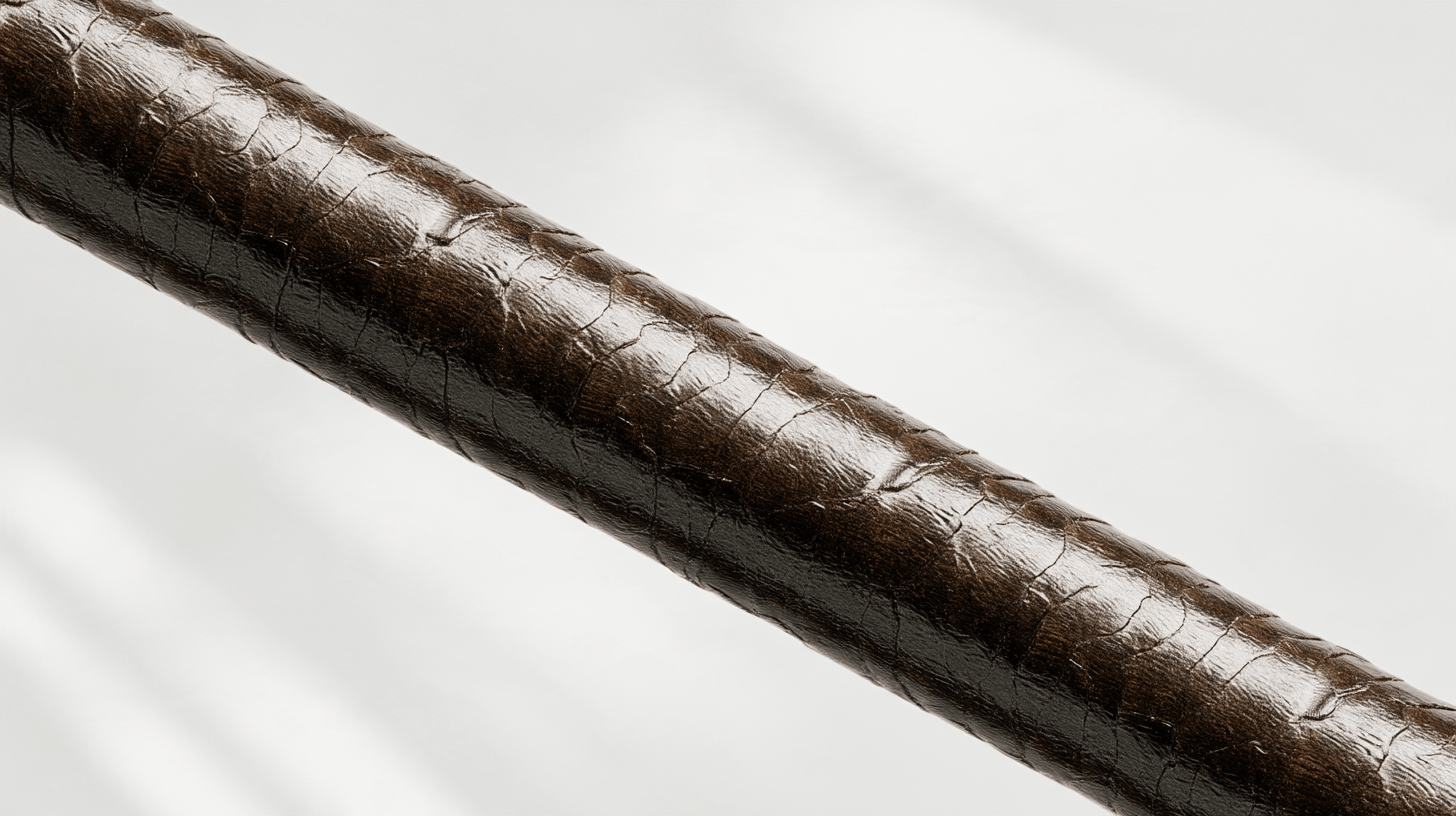 Bellami extensions are cuticle-intact for better protection.
While hard water can affect all hair extensions — as well as natural hair — some extensions resist it better than others. For example, BELLAMI hair extensions are exclusively made from 100% cuticle-intact virgin Remy hair, which is the best possible defense against hard water. That's because the cuticle — the outer protective layer — helps prevent minerals from absorbing into the fiber and building up.
How Stylists Treat Hard Water Damage
While BELLAMI recommends at-home prevention, we do not recommend DIY treatment. Hard water damage should be corrected by professional stylists who can also prescribe preventive at-home strategies specific to your hair and selected extensions.
BELLAMI-certified stylists are trained to diagnose the cause of hard water damage and identify the appropriate treatment, which requires a rigorous understanding of hair extension properties and behavior to restore the hair while preserving its integrity.
BELLAMI-certified pro stylists can:
Detox: Remove mineral buildup by chelating, which binds to minerals to extract them from the hair. The detox process also restores shine and softnessTone: Neutralize unwanted tones and restore brightness and clarity
Protect: Deep conditioning that shields the hair to prevent future mineral buildup
How to Know If You Have Hard Water
Signs of hard water include:
- White buildup around faucets and showerheads or in coffee makers and other appliances (known as "scale")
- Soap doesn't foam and a filmy feeling on your skin after washing
- Spots on your dishes even after washing
- Dry, frizzy, dull, and discolored hair and hair extensions
If you have well water, there's a good chance you have hard water — though it's not guaranteed — and signs like scale might indicate hard water, but they don't tell you what minerals are in the water or at what levels. Here's how to know for sure:
- Buy a hard water test kit. Test strips found online and at local home improvement stores are a cheap and easy way to get a good idea of how much calcium, magnesium, iron, and copper is in your water
- For the best accuracy, have your water tested by a lab. You can find mail-to-lab mineral and metal testing online
- If you're on a municipal water system, your local water department can tell you exactly what's in the water coming to your home.
FAQs
Why does hard water make extensions feel dry?
Hard water contains high levels of minerals such as calcium, magnesium, iron, and copper that build up on hair fibers and block moisture, leaving hair feeling rough and dry.
How often should I clarify if I have hard water?
If you have hard water, use a clarifying shampoo at least twice per month, or every 3-4 washes. Always follow clarification with a deep conditioning mask.
Can hard water make my extensions look brassy?
Hard water that contains iron can make extensions look brassy, yellow, or orange when the iron builds up on hair fibers and oxidizes. Hard water that contains copper can make extensions look green. It is these minerals that change extension color, not the hair fiber itself.
What are the first signs of hard water damage in hair extensions?
The first signs that your extensions have hard water damage are that they become easily tangled and difficult to brush through. You might notice that your hair feels heavy and products don’t lather or absorb as well. Discoloration is another telltale sign, and some stylists say they can even smell the minerals in the hair.
Why do my hair extensions feel dry after a mineral treatment?
Hair extensions can feel dry after a mineral treatment – also known as a demineralizing hair treatment – because mineral buildup prevents the hair from being hydrated. Once those minerals are removed, your hair will remain dry until it absorbs moisture.
Should I use baking soda to treat hard water damaged hair extensions?
BELLAMI does not recommend using baking soda to treat hard water damage. Baking soda is very alkaline and can swell the cuticle, causing even more dryness, roughness and tangles, and it’s not very effective at removing minerals in the first place.